HEADPHONE REVIEW
Treblebird——SIVGA Lyrebird Review
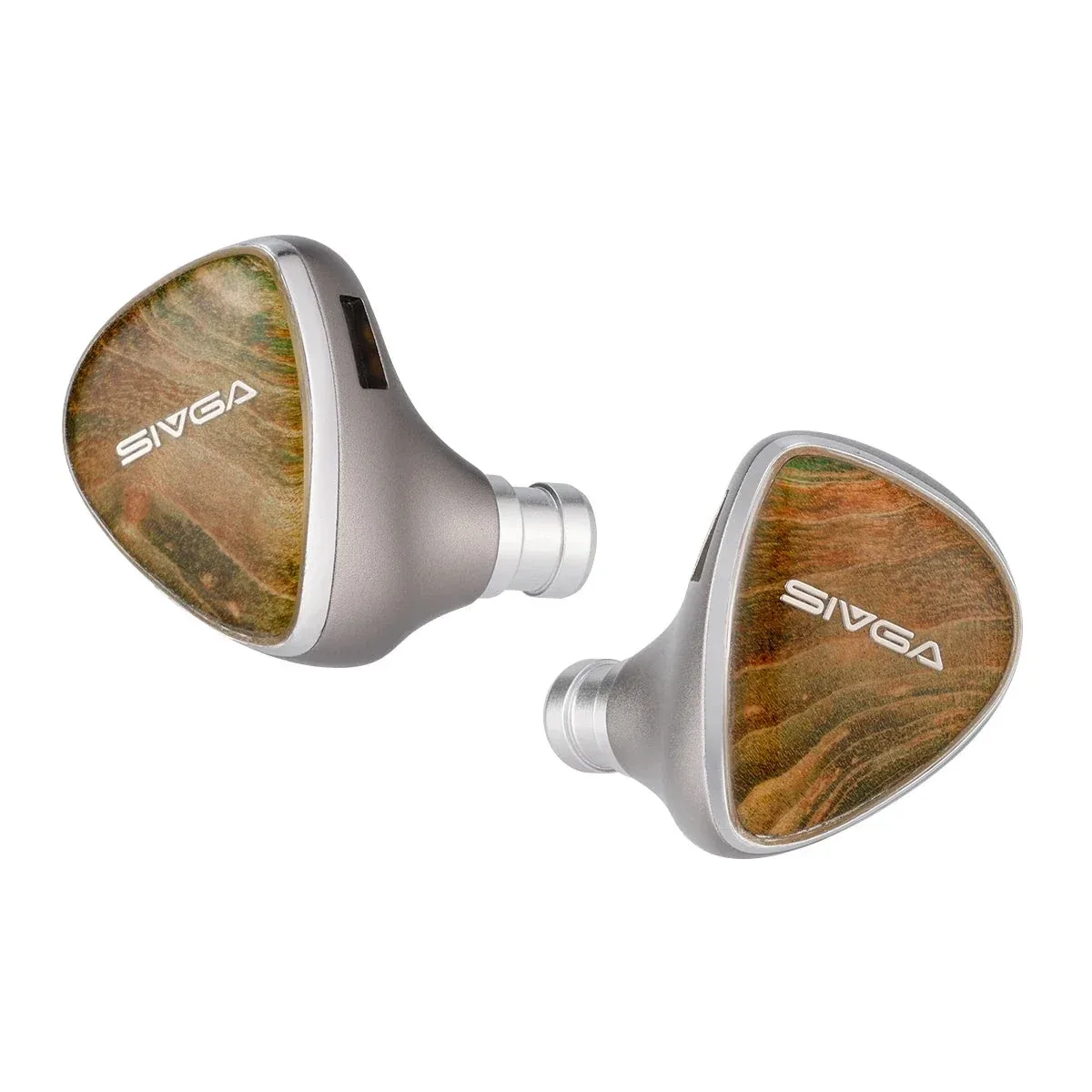
SIVGA Lyrebird Review: Four Drivers, and a Whole Lot of Treble
SIVGA actually sent me the Lyrebird for review about a month ago, but I was busy working on my Chinese review of the STAX 009, which ended up taking far more time than expected.
So the poor Lyrebird just kept waiting in the nest.
Anyway, we're finally here.
Design and Build
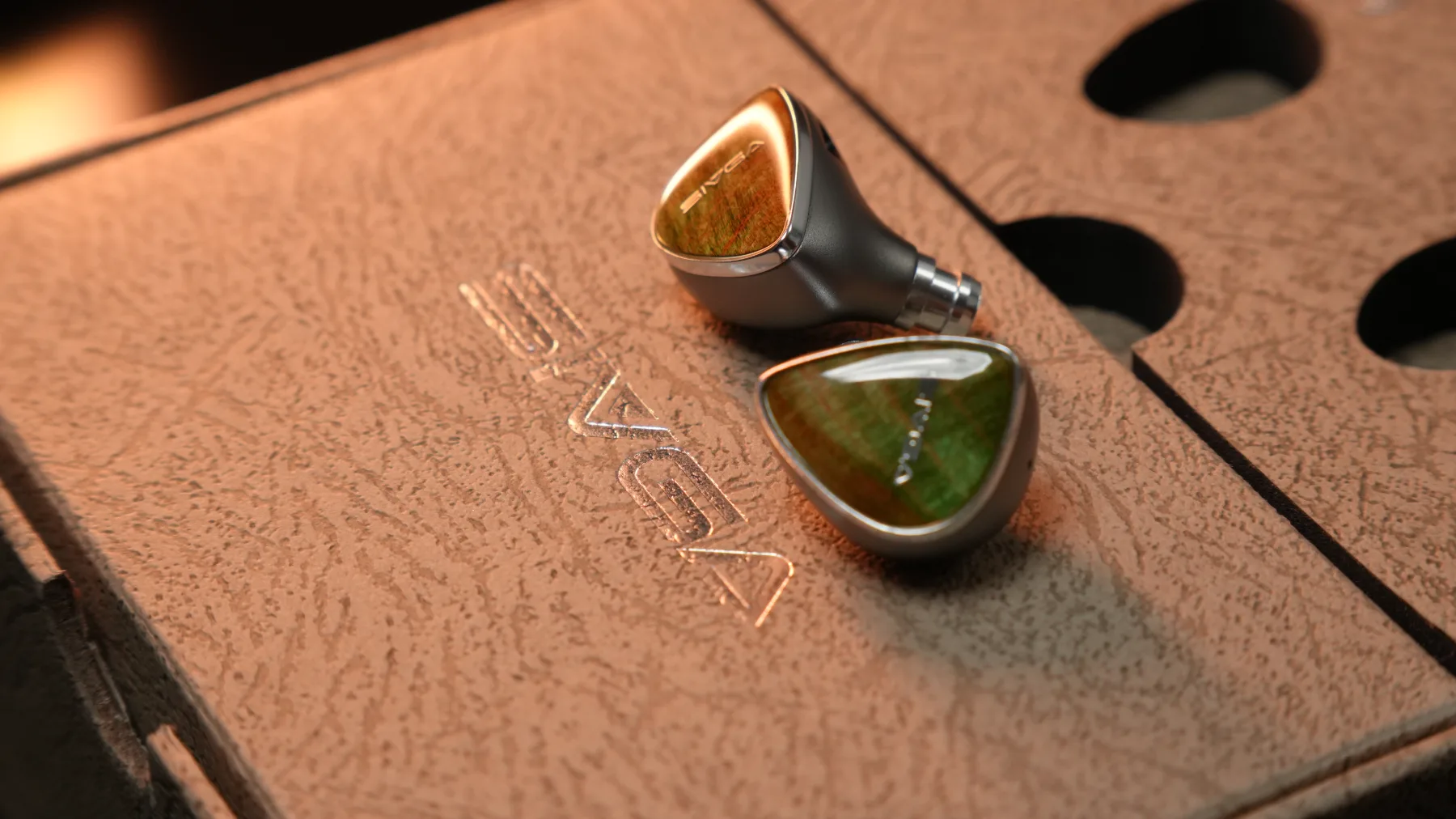
For an IEM costing around $150, the Lyrebird is surprisingly well made.
The packaging has a rather traditional Chinese aesthetic, complete with an embossed wood-grain texture that initially had me wondering whether SIVGA had somehow included a solid wooden box at this price.
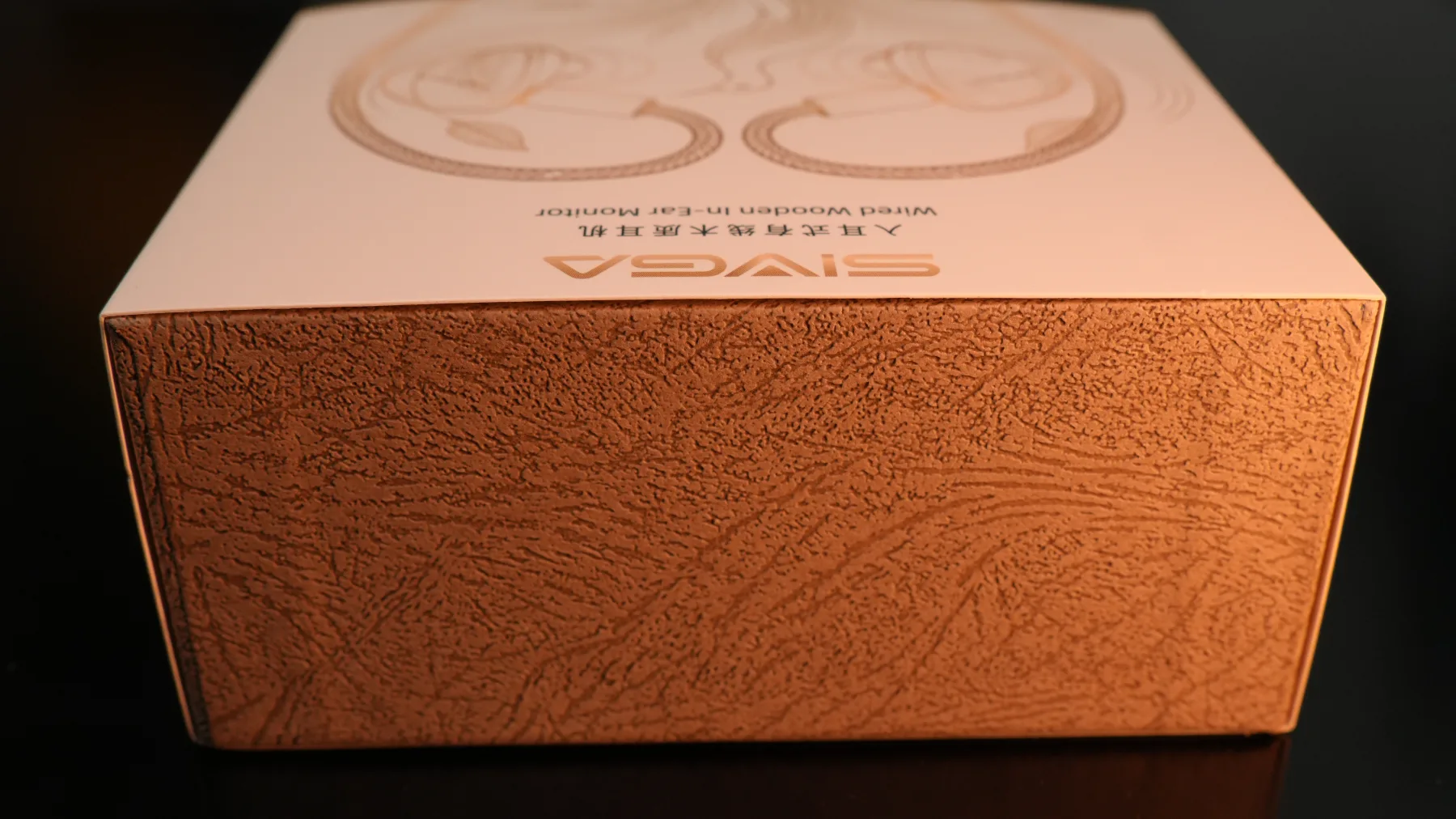
Unfortunately, no. It's cardboard.
Still, a pretty convincing imitation.
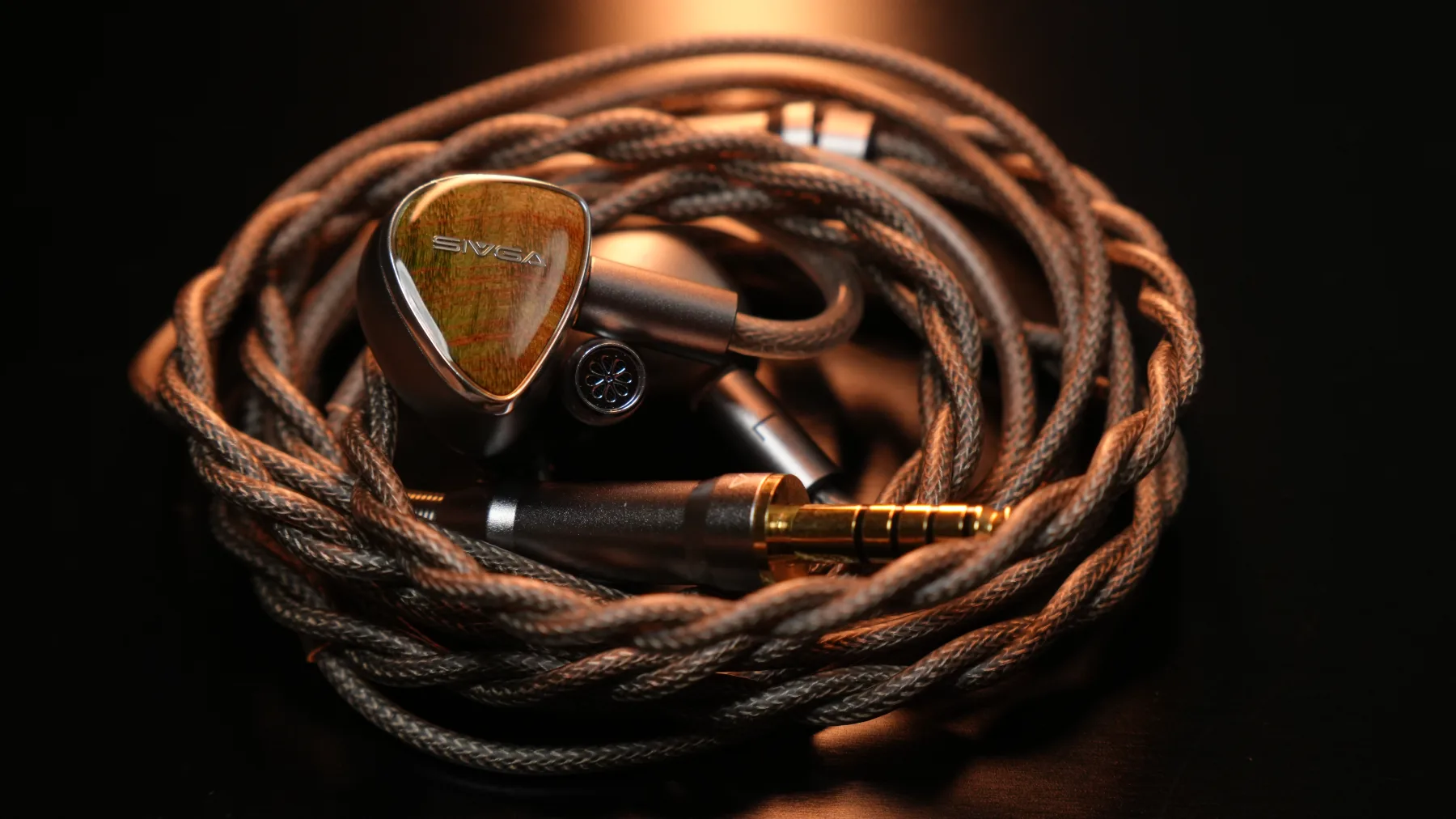
The IEM itself looks lovely, with green and golden-yellow wood grain patterns on the faceplate and an aluminum alloy shell. The overall build quality is genuinely impressive
Inside, SIVGA has gone with a rather unusual four-driver hybrid configuration, combining a dynamic driver, balanced armature, micro-planar driver, and ceramic piezoelectric driver.
Four completely different driver technologies in a $150 IEM.
Well, that's certainly one way to get my attention.
Sound: The Twistura Delta Pro Max
The first IEM that came to mind when I listened to the Lyrebird was the Twistura Delta.
Honestly, their tuning philosophies are incredibly similar. I'd almost describe the Lyrebird as a direct upgrade to the Delta.
Both place a huge emphasis on treble energy, with an extremely bright and aggressive presentation.
And I mean really aggressive.
Treble
There's this almost explosive sense of energy in the upper frequencies, as though the sound is constantly trying to shoot straight up into the sky.
One of my favorite examples is Sarasate's Zigeunerweisen.
During the final fast-paced dance section, the violin moves through rapid bowing passages and increasingly demanding upper-register phrases.
The Lyrebird absolutely loves this stuff.
It captures the violin's sharp, brilliant character with tremendous energy, preserving every bit of that aggressive upper-register bite.
The result is incredibly exciting, with excellent treble extension and a very strong sense of brilliance.
But there's a problem.
There's simply too much treble energy for my taste.
On certain recordings, the upper frequencies become genuinely piercing, especially with female vocals. The treble also has a slightly metallic character that reminds me of the Beyerdynamic T1.
It's exciting, sure, but I wouldn't exactly call it relaxing.
Vocals
The vocal timbre is also noticeably cool and straightforward. With so much emphasis on the upper frequencies, singers can sound brighter and subjectively higher in register than they should.
If you're sensitive to treble, I suspect you'll have a pretty difficult time with this IEM.
Bass
Thankfully, the Lyrebird has another trick up its sleeve.
The bass is actually pretty good.
In fact, I think it's noticeably better than the Delta, which is another reason I consider the Lyrebird something of an upgrade.
The initial impact is strong, and the sub-bass extension is quite respectable.
However, the way the bass behaves is a little unusual.
Instead of delivering a sharp impact followed by a quick, elastic rebound, the Lyrebird seems to emphasize the initial slam before letting the energy gradually spread out and decay.
So the bass has plenty of weight, but not necessarily that satisfying springiness I usually look for.
It's more about impact and lingering energy than speed and elasticity.
Interestingly, despite what the frequency response might suggest, I don't find the bass nearly as dominant as you'd expect.
Probably because the treble is so busy stealing everyone's attention.
Soundstage
As for the soundstage, it's perfectly decent for the price. Nothing spectacular, but nothing particularly disappointing either.
Measurements
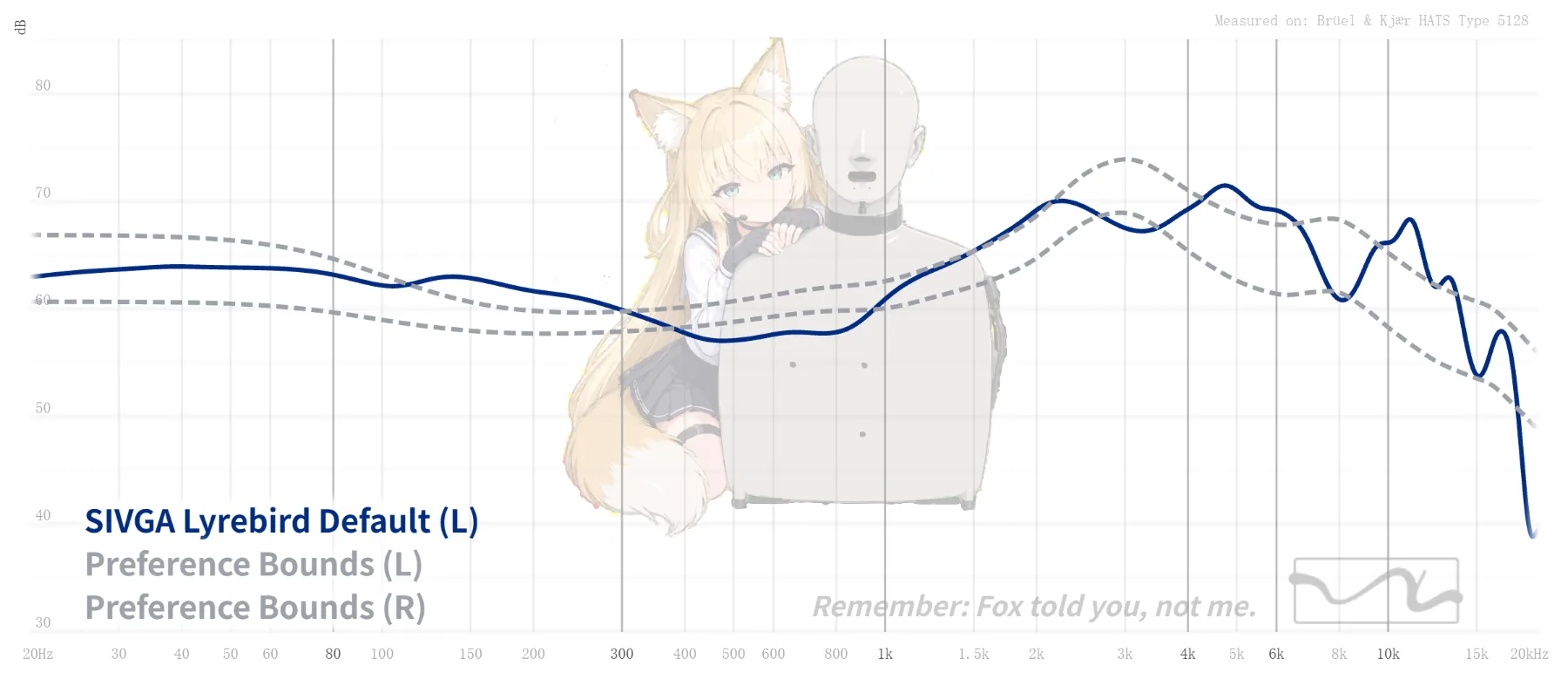
Looking at the frequency response, the Lyrebird is definitely an interesting one.
The entire 20–100Hz region sits comfortably within the JM-1 preference bounds, while the response rises above the upper boundary between roughly 100–300Hz.
In theory, this should produce a fairly thick, full-bodied bass response, with additional weight in kick drums, bass guitars, male vocals, and the lower registers of a piano.
But subjectively, the bass doesn't feel quite as powerful as the graph suggests.
Moving into the lower midrange, there's a rather substantial dip between approximately 350–900Hz.
And this is where things start getting a little weird.
That dip removes some of the body and continuity from the midrange, potentially making instruments sound thinner and somewhat disconnected from the bass.
The main pinna-gain peak also arrives relatively early, around 2.3–2.4kHz, followed by another dip near 3kHz.
So rather than having a smooth transition through the upper midrange, the Lyrebird has a somewhat uneven response.
Then we arrive at 5kHz.
And apparently, SIVGA decided we still didn't have enough treble.
There's another major peak here, rising even higher than the main upper-midrange peak and approaching the upper preference boundary.
This region contributes significantly to the sharpness and articulation of sounds, which helps explain why violin bowing, guitar plucks, and other high-frequency transients can feel so aggressive.
Combined with the uneven midrange, it creates a tuning that's certainly energetic, but not particularly natural or forgiving.
Impedance Curve

The Lyrebird is officially rated at 14Ω with a sensitivity of 108dB, but my impedance measurements reveal something rather interesting.
At 1kHz, I measured just 10.9Ω.
The impedance rises to 17.2Ω at 20Hz, before gradually falling toward the upper frequencies, reaching only 8.2Ω at 20kHz.
That's a pretty significant variation.
And unlike a headphone with a relatively flat impedance curve, the Lyrebird can be quite sensitive to the output impedance of your source.
Pair it with an amplifier that has relatively high output impedance, and the voltage-divider effect can noticeably alter the frequency response.
Since the impedance is higher in the bass and much lower in the upper treble, a high-output-impedance source will tend to increase the bass relative to the treble.
In other words, you may end up with a warmer, darker version of the Lyrebird.
Which, considering how bright this thing already is, might not sound like such a terrible idea.
Still, I'd strongly recommend using a low-output-impedance source if you want to hear the IEM as intended.
Phase
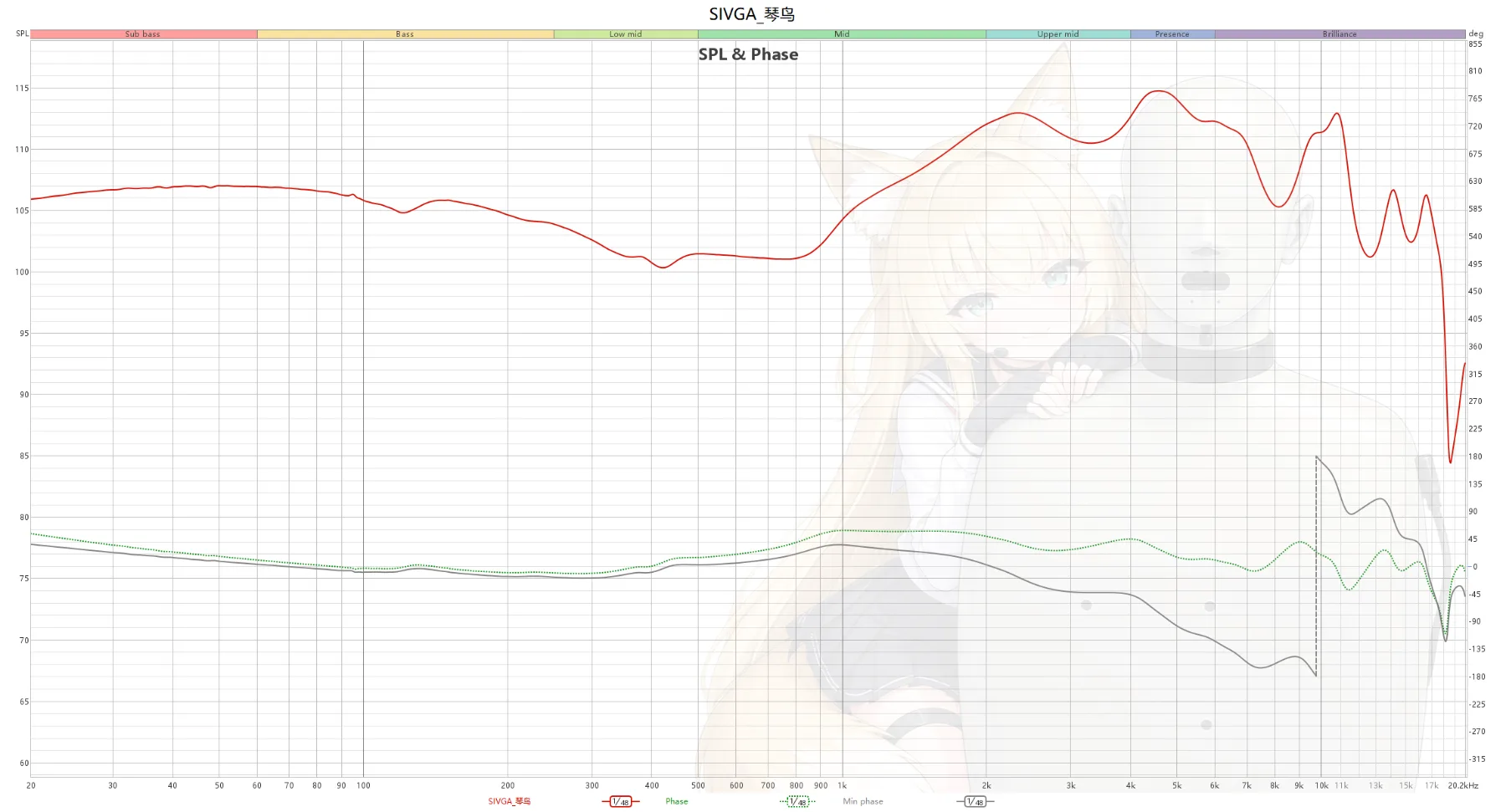
Eartips: An Easy Way to Tame the Treble
Another interesting detail is that both sets of stock eartips have relatively wide bores.
And if you find the Lyrebird a little too aggressive, changing the eartips is absolutely worth trying.
Something like the Acoustune AET07, with its narrower bore, can help bring the treble down a little.
If that's still not enough, I'd suggest trying the Final Type E tips.
Their particularly narrow sound outlet can noticeably soften the upper frequencies, depending on fit and insertion depth.
It won't magically transform the Lyrebird into a warm, relaxed IEM, but it can make the treble considerably more manageable.
Final Thoughts
I think the SIVGA Lyrebird is a pretty interesting IEM, especially considering its $150 price tag.
The build quality is excellent, the driver configuration is certainly ambitious, and the overall technical performance is respectable.
Compared with the Twistura Delta, I find the Lyrebird particularly impressive in the bass department, while retaining that same energetic, treble-focused character.
For string music, especially recordings that emphasize the brilliance and intensity of violins, this tuning can be genuinely exciting.
But there's no getting around the fact that it's extremely bright.
The upper frequencies can sound sharp and metallic, vocals aren't particularly warm or natural, and the uneven midrange doesn't exactly help with tonal coherence.
If you mainly listen to female vocals, ACG, or poorly mastered pop recordings, I'd be a little cautious.
On the other hand, if you enjoy a very forward, energetic treble presentation and want your violins to sound as brilliant and aggressive as possible, the Lyrebird might be right up your alley.